
Introduction
As global demand for temporary housing solutions increases, particularly in regions experiencing rapid industrial growth, prefabricated houses have emerged as a preferred choice. In Saudi Arabia, where construction and infrastructure projects are booming, labor camp accommodations are essential for housing the workforce. This article explores the features, benefits, applications, and future of labor camp accommodation prefab houses in Saudi Arabia.
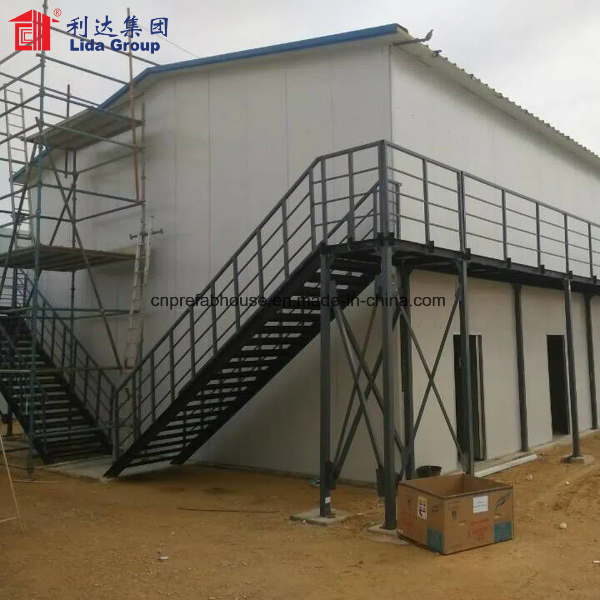
Understanding Labor Camp Accommodation
The Need for Labor Camps in Saudi Arabia
Saudi Arabia is undergoing significant economic transformation, driven by various initiatives, including Vision 2030. This vision aims to diversify the economy, reduce dependence on oil, and develop various sectors, including construction, tourism, and renewable energy. Consequently, this has led to a surge in labor demand, necessitating efficient housing solutions.
Benefits of Prefabricated Houses
1. Speed of Construction
One of the most significant advantages of prefabricated houses is the speed at which they can be constructed:
- Rapid Assembly: Components are manufactured off-site and assembled on-site, drastically reducing construction time.
- Minimized Delays: Prefabrication helps avoid weather-related delays, ensuring timely project completion.
2. Cost Efficiency
Prefabricated houses offer substantial cost savings:
- Reduced Labor Costs: Less on-site labor is required for assembly, leading to lower overall expenses.
- Economical Materials: Bulk purchasing of materials used in prefabrication can lower costs.
3. Quality Control
Manufacturing components in a controlled environment ensures consistent quality:
- Standardized Production: Rigorous quality assurance processes lead to higher-quality finishes and durability.
- Less Waste: Efficient use of materials in a factory setting minimizes waste.
4. Flexibility and Customization
Prefab houses can be tailored to meet specific needs:
- Modular Design: Units can be easily expanded or modified based on changing requirements.
- Various Configurations: Different layouts and designs can accommodate various group sizes.
5. Sustainability
The environmental impact of prefabricated construction is often lower than traditional methods:
- Energy Efficiency: Many prefab houses incorporate energy-efficient designs and materials.
- Sustainable Practices: Waste reduction during manufacturing contributes to a smaller carbon footprint.
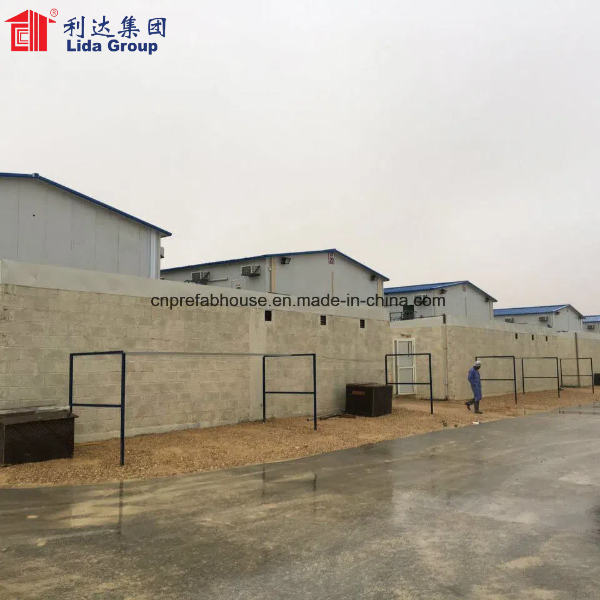
Features of Labor Camp Accommodation Prefab Houses
1. Durable Materials
Labor camp accommodations are constructed using high-quality, durable materials that can withstand the harsh climate of Saudi Arabia:
- Weather Resistance: Materials are selected to endure extreme temperatures and weather conditions.
- Longevity: High-strength materials ensure a long lifespan, reducing the need for frequent replacements.
2. Comfortable Living Spaces
These prefab houses are designed with worker comfort in mind:
- Adequate Space: Units typically offer sufficient space for beds, storage, and communal areas.
- Basic Amenities: Many include essential facilities like bathrooms, kitchens, and recreational spaces.
3. Energy Efficiency
Modern labor camp accommodations often incorporate energy-efficient features:
- Insulation: High-quality insulation helps maintain comfortable temperatures indoors.
- Solar Panels: Some facilities may utilize solar energy to reduce reliance on conventional power sources.
4. Safety and Compliance
Safety is a critical consideration in the design of labor camps:
- Fire Safety Standards: Buildings are constructed to meet fire safety regulations.
- Secure Living Environments: Facilities are designed with security features to protect residents.
Applications of Labor Camp Accommodation in Saudi Arabia
1. Construction Projects
With ongoing mega-projects like NEOM and the Red Sea Project, labor camps are essential for accommodating workers:
- Temporary Housing: Prefab houses provide immediate shelter for laborers involved in construction.
- Logistical Support: Proximity to work sites enhances efficiency and reduces travel time.
2. Oil and Gas Industry
Saudi Arabia’s oil and gas sector relies heavily on labor camp accommodations:
- Remote Locations: Workers often need housing in remote areas near extraction sites.
- Support for Workforce: Comfortable accommodations improve worker satisfaction and productivity.
3. Infrastructure Development
As the country invests in infrastructure, labor camps are necessary for skilled and unskilled labor:
- Road and Rail Projects: Housing solutions support large-scale transport initiatives.
- Urban Development: Labor camps facilitate the growth of urban areas through timely construction.
4. Events and Festivals
During large events, such as the Hajj pilgrimage, temporary labor housing may be required:
- Seasonal Workforce: Accommodations for temporary workers help manage the influx of visitors.
- Support Services: Facilities can house staff involved in event organization and logistics.
Case Studies: Successful Implementations
1. NEOM Project
The NEOM project, a cornerstone of Saudi Arabia’s Vision 2030, requires extensive labor accommodations. Prefabricated houses have been deployed to provide housing for thousands of workers involved in this ambitious development.
2. Oil Field Operations
In remote oil fields, labor camps have been established utilizing prefab houses. These camps offer essential services and comfortable living conditions, contributing to operational efficiency and worker satisfaction.
3. Infrastructure Expansion
For major infrastructure projects, such as new highways and rail lines, labor camps using prefabricated structures have been implemented, ensuring that workers have the necessary accommodations close to their work sites.
Addressing Common Concerns
1. Initial Investment
While the initial cost of prefabricated labor camps may seem high, the long-term savings in construction time and maintenance often outweigh these concerns.
2. Quality Perception
There may be misconceptions about the quality of prefabricated housing. However, modern prefab houses are built to high standards, ensuring durability and comfort.
3. Cultural Considerations
Prefab housing can be designed to respect cultural norms and practices, ensuring that workers feel at home and comfortable.
Future Trends in Labor Camp Accommodations
1. Technological Advancements
The integration of technology in prefabrication processes will enhance efficiency and quality:
- Smart Building Solutions: IoT technologies can improve energy management and monitoring.
- Advanced Materials: Innovations in materials will lead to even more durable and sustainable options.
2. Increased Customization
As the demand for labor camp accommodations grows, the ability to customize solutions will become more important:
- Tailored Designs: Offering options that cater to specific workforce needs and preferences.
- Modular Expansion: Flexible designs that allow for easy expansion as project demands change.
3. Focus on Sustainability
Sustainable practices will continue to gain traction in the construction industry:
- Eco-Friendly Materials: Increased use of recycled and sustainable materials in prefab construction.
- Energy-Efficient Designs: Continued focus on energy efficiency to reduce the environmental impact of labor camps.
Conclusion
Labor camp accommodation prefab houses present a practical and efficient solution for housing workers in Saudi Arabia’s booming economy. With their numerous benefits, including speed of construction, cost efficiency, and sustainability, these structures are poised to play a crucial role in supporting the country’s development initiatives. As technology evolves and the demand for customizable, comfortable living spaces grows, the future of labor camp accommodations looks promising, ensuring that the workforce remains supported and productive in their endeavors.
Contact Us
Post time: Aug-19-2024